
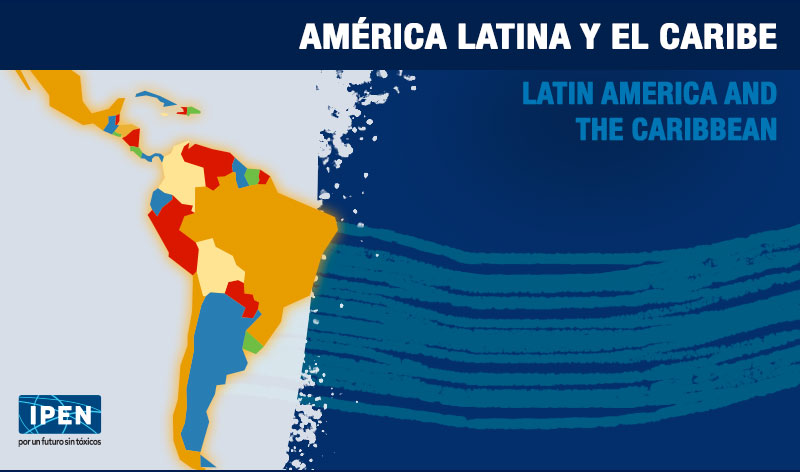
Boletín de noticias breves de los miembros de IPEN LAC

Producción Agrícola, Agrotóxicos y Plásticos
María Isabel Cárcamo/ RAP-AL Uruguay
Nuestro sistema agrícola actual depende de grandes cantidades de agro tóxicos, químicos altamente tóxicos, nocivos tanto para las personas como para el ambiente. Esto no es necesario. Existen modelos alternativos de producción que brindan a los agricultores el conocimiento y los recursos para hacer la transición a prácticas sostenibles que salvaguarden nuestra salud, el medio ambiente y también aumenten los rendimientos y las ganancias.
La producción basada en el uso masivo de agro tóxicos está además acompañada de un modelo como es el uso de plástico en todo el proceso, desde los envases de agro tóxicos la producción y venta de los alimentos, generando así una doble contaminación, agro tóxicos y plástico.
Si desea leer la nota completa ingrese alsiguiente enlace: https://docs.google.com/document/d/1UkwTq8wf_4yHe2sg0vJTAT7EgXj-DX0r/edit.
More News


Upcoming Events
- Plastics Treaty INC-4
21 – 30 April 2024
Location: Ottawa, Canada - Science-Policy Panel Open Ended Working Group
07 – 24 June
Location: Geneva, Switzerland - POPRC-20
23 – 27 September
Location: Rome, Italy - Plastics Treaty INC-5
25 November – 01 December
Location: Busan, Republic of Korea
Recent Reports
Argentina: Promoting the agroecological paradigm on the way to eliminating highly hazardous pesticides
Brazil: Território Sustentável
Chile: Country Situation Report on highly hazardous pesticides
Colombia: Mercury Trade and Supply in ASGM in Colombia
Costa Rica: El herbicida glifosato y sus alternativas (The herbicide Glyphosate and its alternatives)
Cuba: Los Plaguicidas Altamente Peligrosos en Cuba (Alternatives to highly hazardous pesticides in Cuba)
Jamaica: COVID-19 and Chemical Usage
Jamaica: Highly Hazardous Pesticides in Jamaica
Mexico: Alimentos, cosméticos y agroquímicos nanohabilitados de venta en México
Mexico: Nanomateriales en alimentos, cosméticos y agroquímicos en México
Mexico: Prohibition of single-use plastics and Roll Back of Morelos Waste Law
Mexico: Asbestos in Mineral Talc and Healthier Alternatives
Uruguay: ¿Cuál es el problema con el talco y cómo se relaciona con el asbesto? (What is the problem with talc and how is it related to asbestos?)
Newest IPEN Reports
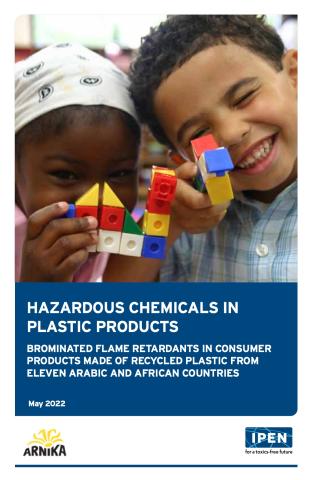
Hazardous Chemicals in Plastic Products
Both the environment in Africa and the Arabic region and the human health of Africans and people from Arabic countries suffer from toxic chemicals and imported wastes, including illegal wastes, more than in developed countries.
This study shows that toxic chemicals are present in toys, kitchen utensils, and other consumer products purchased from African and Arabic region markets in Burkina Faso, Cameroon, Egypt, Ethiopia, Gabon, Jordan, Kenya, Morocco, Syria, Tanzania, and Tunisia.
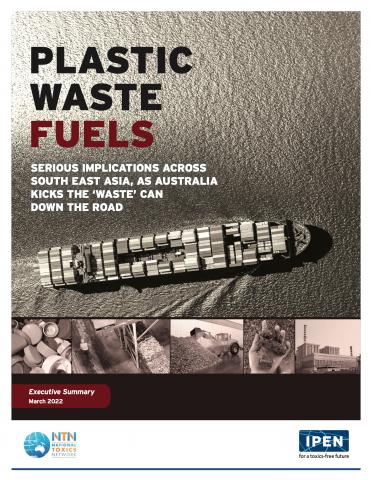
Plastic Waste Fuels
IPEN studies show how policy is driving massive investment in plastic waste-to-fuel processing, and that exports are threatening waste management in ASEAN countries and undermining the Basel Convention and climate change commitments.
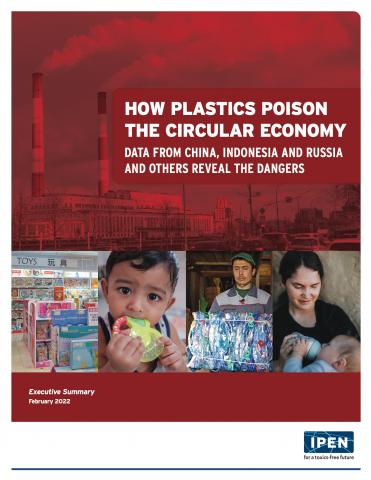
Plastic Poisons the Circular Economy
IPEN published a number of studies showing significant obstacles for countries seeking to implement safe plastic circular economies. The studies reveal that countries are unable to handle large volumes of diverse plastics waste streams safely, and the reality that, without regulations requiring plastic ingredients to be labeled, countries are blindly allowing known toxic chemicals onto their markets in plastic products.
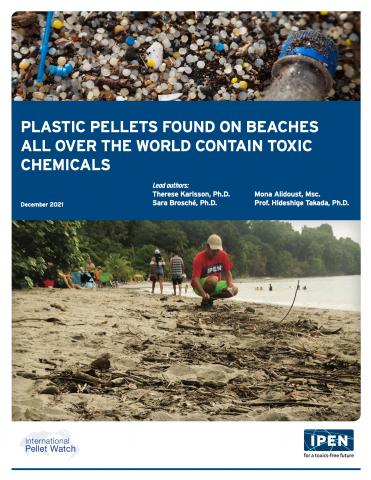
Plastic pellets found on beaches all over the world contain toxic chemicals
Preproduction plastics as pellets, or "nurdles", can carry many different chemicals, both those added to the plastics and pollutants that attach (sorb) to them in the environment. Often lost during production, transportation, and storage, pellets have been found on beaches all over the world since the 1970s. This study of plastic pellets gathered from beaches in 23 different countries contained many chemicals of concern, some in very high concentrations.
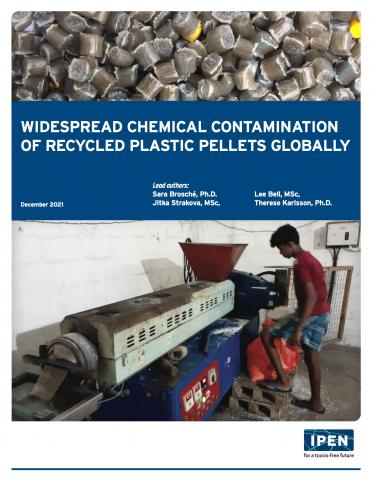
Widespread chemical contamination of recycled plastic pellets globally
Because almost all plastics contain toxic chemicals, recycling processes can perserve and can even generate toxic chemicals, such as dioxins. In this study, pellets made from recycled HDPE, intended for use in new products, were purchased from 24 recyclers in 23 countries and analyzed for 18 substances. The large number of toxic chemicals in many of the samples highlights the need to rethink recycling to ensure it does not perpetuate harms..
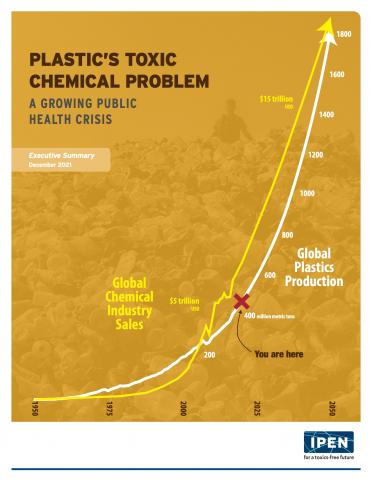
Plastic’s Toxic Chemical Problem: A Growing public health crisis
This summary of our two plastic pellets reports encapsulate the broad issues related to toxic chemicals in plastics and the concerns with recycling processes that can perserve or generate toxic chemicals.
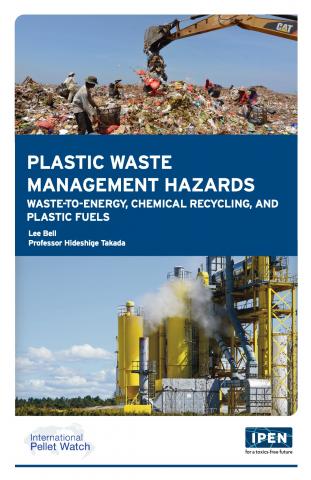
Plastic Waste Management Hazards
Plastic waste has become an unprecedented pollution issue, blanketing our planet in the petrochemical remnants of plastic production. This report examines current and emerging methods by which plastic waste is managed globally and questions whether any of them present a solution to the rapidly accelerating generation of plastic waste. In short, they don't and the only long-term answer is to produce less plastic.
Regional Hub
Red de Accion en Plaguicidas y sus Alternativas para America Latina (RAPAM) / Centro de Analisis y Accion en Toxicos y sus Alternativas (CAATA)
Based in Mexico
Regional Coordinator: Fernando Bejarano
Contact: lachub@ipen.org
RAPAM / CAATA has the mission to promote the progressive phase-out of hazardous chemicals that threaten human health and the environment, and to change public policy to support alternatives including agroecological agriculture, clean production and exercising rights for a healthy and toxics-free environment for the present and future generations.

Get our Newsletter
Video Highlight
Hablando con los medios de comunicación para ambiente y a nuestra salud
Presentación introductoria sobre comunicaciones estratégicas y promoción de los medios para Miembros de IPEN en América Latina y el Caribe. Centrado en los conceptos fundamentales de abogacía (advocacy) en los medios. Con Shaddai Martínez y Rosaura Wardswort del Grupo de Estudios de Medios de Berkeley (BMSG).23 de enero 2023
Vea nuestros seminarios web recientes sobre el insecticida clorpirifos; en versión español (en dos partes) en https://youtu.be/87uyknT4jV8 y https://youtu.be/AdohvPsVlSk y su versión en inglés en https://youtu.be/9hR9s80XYJo
View our recent webinars on the insecticide chlorpyrifos; in Spanish version (in two parts) at https://youtu.be/87uyknT4jV8 and https://youtu.be/AdohvPsVlSk and in English version at https://youtu.be/9hR9s80XYJo