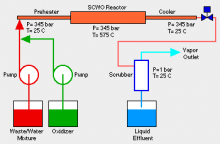
Non-combustion techniques for the destruction of persistent organic pollutants (POPs) waste such as PCBs, dioxins and brominated flame retardants are urgently needed to destroy the world's growing stockpile of materials contaminated with the most dangerous contaminants on earth. Using incineration and cement kilns to attempt to destroy POPs only leads to the generation of more unintentionally produced POPs (UPOPs) in their emissions and solid waste. This new technical briefing paper from IPEN describes non-combustion techniques that have been commercialised and proven for the destruction of POPs. They are also considered to be more readily applicable to developing countries due to their less intensive capital and infrastructure requirements.
This document from IPEN's Dioxin, PCBs and Waste Working Group provides background information and analysis of the effects of wind on the distributions of PCBs released from sources exposed to the air.