
Top News

Основные моменты первого раунда переговоров по пластику и возможные решения
Уважаемые читатели!
Представляем вам декабрьский выпуск нашего информационного бюллетеня, в котором мы предлагаем вам ознакомиться с богатым содержанием динамичного мира управления химическими веществами и устойчивой практики. В этом выпуске мы рассматриваем важнейшие события, представляя вам "дорожную карту" новой Глобальной рамочной программы по химическим веществам и процесс разработки нового юридически обязательного договора по пластику.
Основные моменты:
Юридически обязательный договор по пластику: Узнайте о результатах дискуссий, связанных с разработкой важнейшего договора для решения глобального кризиса пластика, и о том, как страны объединяются для создания устойчивого и юридически обязательного решения.
Глобальная рамочная программа по химическим веществам: Ознакомьтесь с подробной информацией о подготовке новой Глобальной рамочной
программы по химическим веществам, определяющей будущее ответственного управления химическими веществами в глобальном масштабе.
Региональные инициативы в странах ВЕКЦА:
Проекты по борьбе со свинцом в краске: Познакомьтесь со значимыми проектами в регионе ВЕКЦА, направленными на снижение содержания свинца в краске и его далеко идущих последствий для окружающей среды и здоровья человека.
Особо опасные пестициды: Узнайте о том, какую работу проводят общественные организации по обнаружению особо опасных пестицидов, которые продолжают импортировать и использовать в странах ВЕКЦА.
Обмен информацией в социальных сетях: Как социальные медиа- платформы становятся катализаторами позитивных изменений в регионе ВЕКЦА? Мы исследуем инновационные способы обмена жизненно важной информацией и стимулирования вовлечения общественности.
Инициативы по развитию потенциала молодежи: Узнайте об инициативах, направленных на расширение прав и возможностей молодежи в регионе ВЕКЦА. От образовательных программ до проектов по развитию навыков - станьте свидетелем преобразующего воздействия на следующее поколение лидеров.
С наилучшими пожеланиями!
Ольга Сперанская, со-директор HEJSupport и старший советник IPEN и “Эко- Согласия”
More News
Upcoming Events
- Plastics Treaty INC-4
21 – 30 April 2024
Location: Ottawa, Canada - Science-Policy Panel Open Ended Working Group
07 – 24 June
Location: Geneva, Switzerland - POPRC-20
23 – 27 September
Location: Rome, Italy - Plastics Treaty INC-5
25 November – 01 December
Location: Busan, Republic of Korea
Recent Reports
Armenia: Raising Awareness on Health Hazards of Phthalates in Toys
Armenia: Report on the Situation of HHPs and Alternatives in Armenia
Azerbaijan: PCBs inventory and case studies in Eastern Europe, Caucasus and Central Asia (EECCA)
Azerbaijan: Country Profile of Highly Hazardous Pesticides in Azerbaijan
Georgia: Pesticide Research Report in Georgia
Kazakhstan: COVID-19 Chemicals and Waste
Kazakhstan: Country Survey on Production and Use of Highly Hazardous Pesticides in Kazakhstan
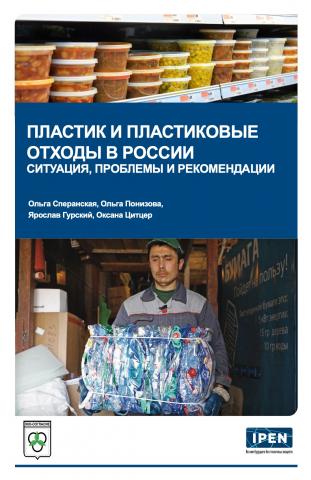
Russia: Production and Use of Highly Hazardous Pesticides in Russia
Russia: COVID-19 and Industry Rollbacks
Tajikistan: Country profile of pesticide use and highly hazardous pesticides in Tajikistan
Ukraine: How the COVID-19 pandemic can impact chemicals and wastes in Ukraine
Ukraine: Country Survey of Highly Hazardous Pesticides in Ukraine
Uzbekistan: Country Review of Production and Use of Highly Hazardous Pesticides in Uzbekistan
Newest IPEN Reports
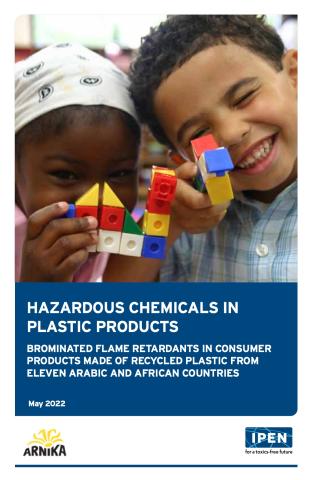
Hazardous Chemicals in Plastic Products
Both the environment in Africa and the Arabic region and the human health of Africans and people from Arabic countries suffer from toxic chemicals and imported wastes, including illegal wastes, more than in developed countries.
This study shows that toxic chemicals are present in toys, kitchen utensils, and other consumer products purchased from African and Arabic region markets in Burkina Faso, Cameroon, Egypt, Ethiopia, Gabon, Jordan, Kenya, Morocco, Syria, Tanzania, and Tunisia.
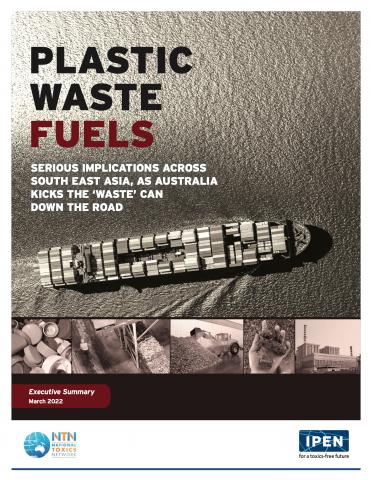
Plastic Waste Fuels
IPEN studies show how policy is driving massive investment in plastic waste-to-fuel processing, and that exports are threatening waste management in ASEAN countries and undermining the Basel Convention and climate change commitments.
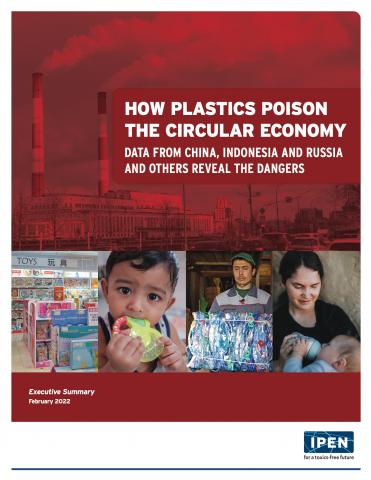
Plastic Poisons the Circular Economy
IPEN published a number of studies showing significant obstacles for countries seeking to implement safe plastic circular economies. The studies reveal that countries are unable to handle large volumes of diverse plastics waste streams safely, and the reality that, without regulations requiring plastic ingredients to be labeled, countries are blindly allowing known toxic chemicals onto their markets in plastic products.
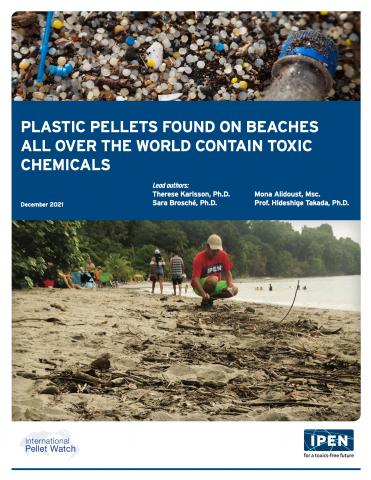
Plastic pellets found on beaches all over the world contain toxic chemicals
Preproduction plastics as pellets, or "nurdles", can carry many different chemicals, both those added to the plastics and pollutants that attach (sorb) to them in the environment. Often lost during production, transportation, and storage, pellets have been found on beaches all over the world since the 1970s. This study of plastic pellets gathered from beaches in 23 different countries contained many chemicals of concern, some in very high concentrations.
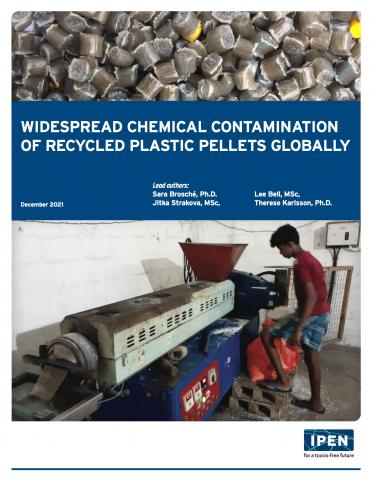
Widespread chemical contamination of recycled plastic pellets globally
Because almost all plastics contain toxic chemicals, recycling processes can perserve and can even generate toxic chemicals, such as dioxins. In this study, pellets made from recycled HDPE, intended for use in new products, were purchased from 24 recyclers in 23 countries and analyzed for 18 substances. The large number of toxic chemicals in many of the samples highlights the need to rethink recycling to ensure it does not perpetuate harms..
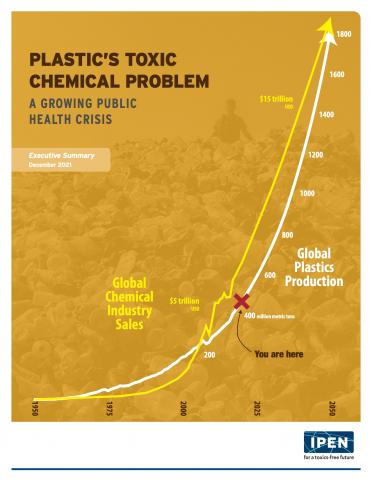
Plastic’s Toxic Chemical Problem: A Growing public health crisis
This summary of our two plastic pellets reports encapsulate the broad issues related to toxic chemicals in plastics and the concerns with recycling processes that can perserve or generate toxic chemicals.
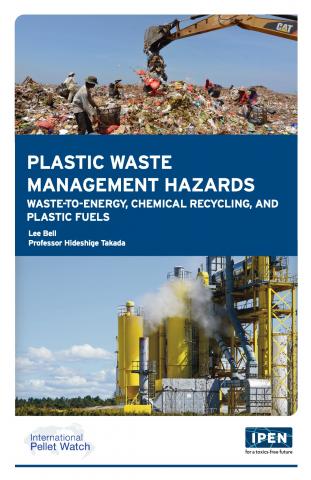
Plastic Waste Management Hazards
Plastic waste has become an unprecedented pollution issue, blanketing our planet in the petrochemical remnants of plastic production. This report examines current and emerging methods by which plastic waste is managed globally and questions whether any of them present a solution to the rapidly accelerating generation of plastic waste. In short, they don't and the only long-term answer is to produce less plastic.
Regional Hub
Eco-Accord
Based in Russia
Regional Coordinator: Tuyana Norboeva
Senior Advisor: Olga Speranskaya
Contact: eeccahub@ipen.org
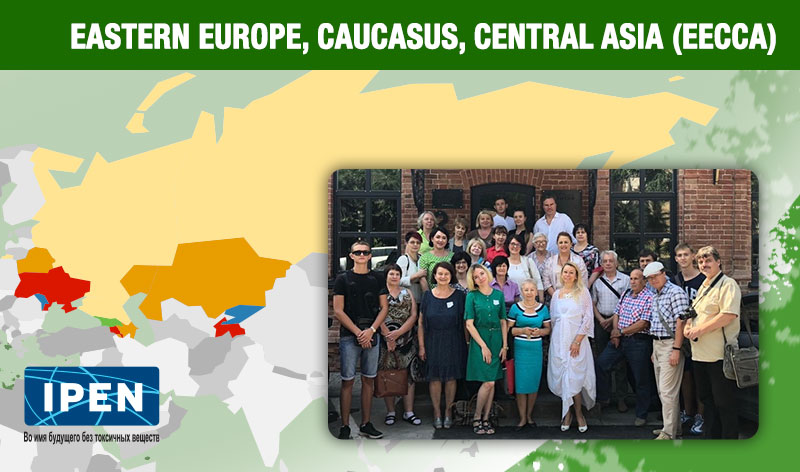
Eco-Accord is a not-for-profit citizens’ organisation registered in Russia with a consultative status in UN ECOSOC. Since 1997, Eco-Accord has enhanced public participation in decision-making on chemical safety initiatives, noting Eco-Accord is the IPEN EECCA (Eastern Europe, Caucasus and Central Asia) Regional Hub and Olga Speranskaya is Eco-Accord Programme Director and IPEN Co-Chair. Eco-Accord operates in Russian and in English and coordinates a news service on chemical safety that has grown from 300 to more than 900 direct subscribers from EECCA countries. It leads a network of over 100 IPEN Participating Organisations based in the EECCA, operates a website, facebook and twitter accounts. Eco-Accord has successfully participated in negotiations over the ratification and implementation of chemical agreements in Russia, EECCA and globally. It plays an important role in IPEN’s Mercury-Free and Lead-Free Paint Campaigns and participates in a number of activities on mercury, highly hazardous pesticides, hazardous chemicals in products, and lead in paint. Eco-Accord is also part of the European EDCs Free campaign and is actively involved in the work on EDCs in Russia and other EECCA countries. It also focuses on human environmental rights and justice issues.

Get our Newsletter
Published semi-annually
Older Newsletters
Video Highlight